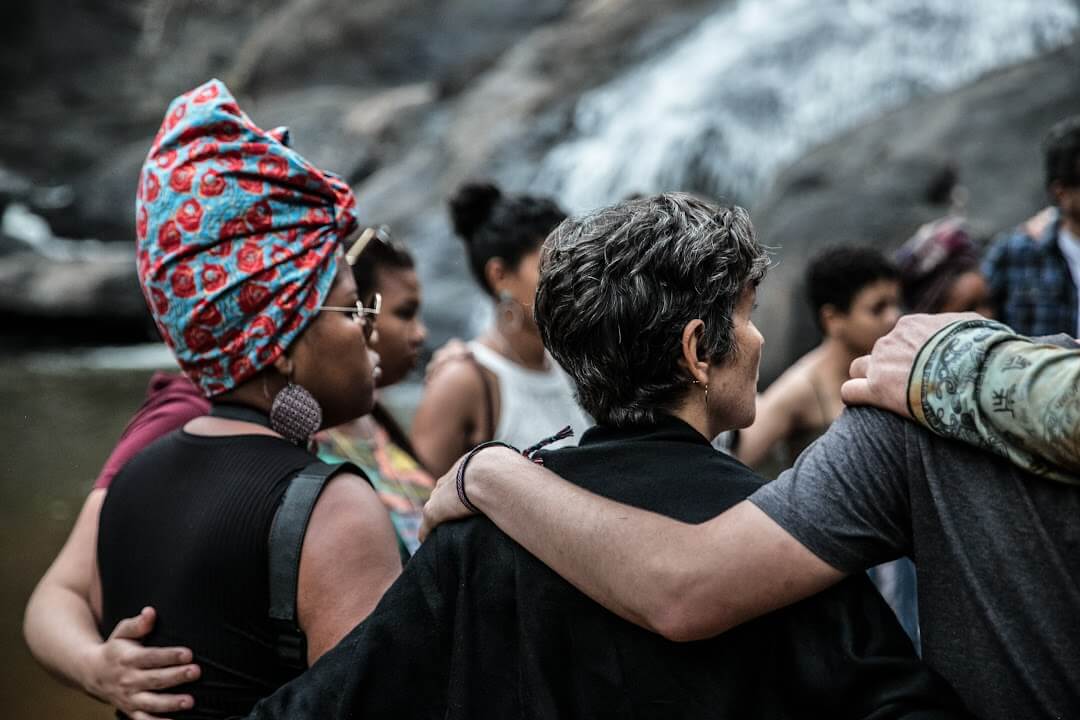
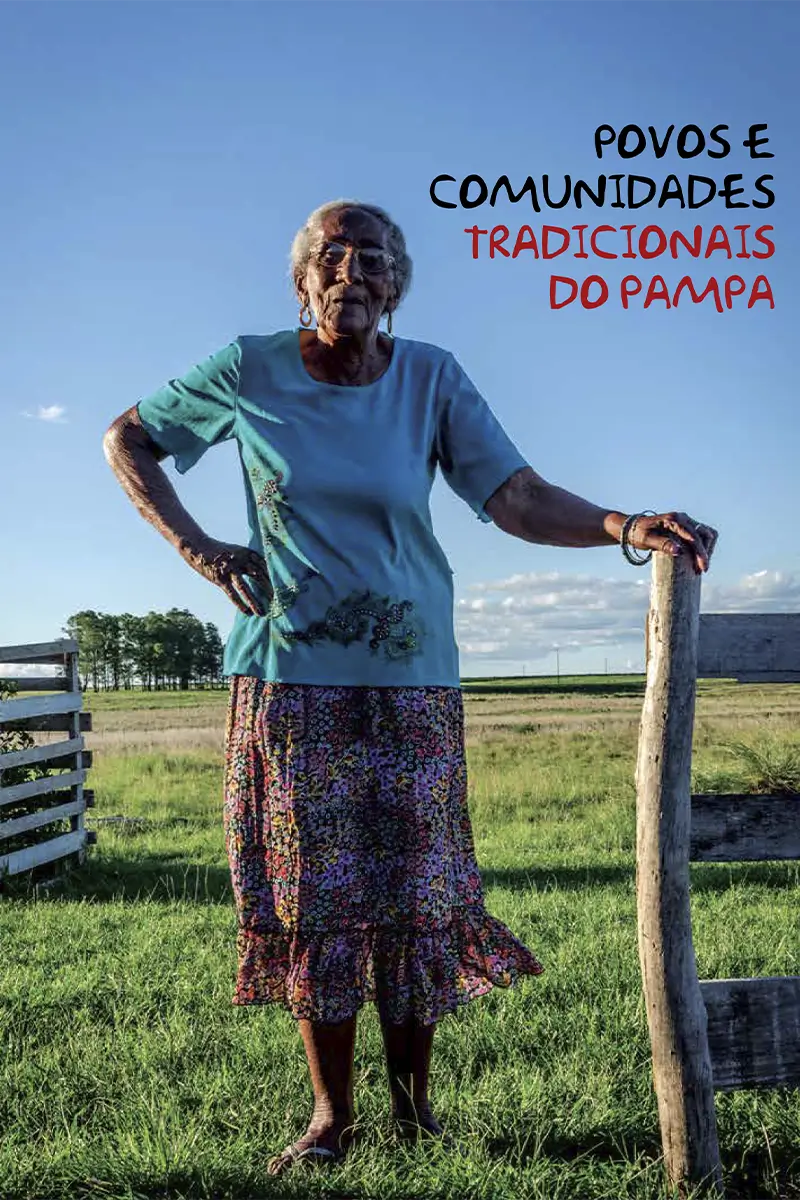
Climate justice begins with
people, on the ground

Get to know FLD

The Lutheran Foundation of Diakonia (FLD) is a Brazilian civil society organization whose mission is to defend the right to existence and a good life for all forms of diversity.

We believe that, in order to face the climate emergency, it is essential to support community-based initiatives committed to caring for life in their territories.

Our Mission

Learn More About Our Work

For more than 40 years, FLD has been working alongside the communities most affected by the climate emergency, strengthening local initiatives that care for sociobiodiversity and protect territories.

That is why we work across six interconnected areas:

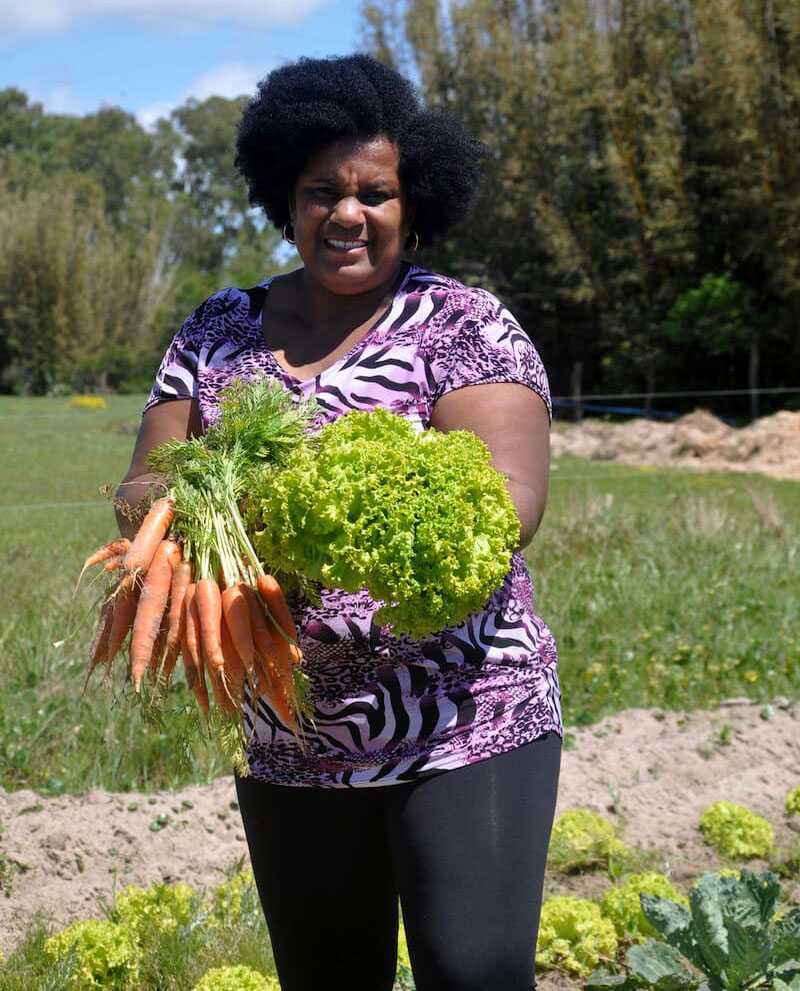
  • Agroecology – to care for nature and nourish the world in a fair and sustainable way.
  • Culture – to honor ancestral knowledge and the diverse ways of being and belonging in each territory.
  • Human Rights – to promote dignity and a good life for all people.
  • Solidarity Economy – to produce, consume, and trade with social inclusion, decent work, fair income, and respect for the environment.
  • Gender and Ethnic-Racial Justice – to confront the root causes that create and perpetuate racism and gender-based violence in society.
  • Land and Territory – to protect the spaces that generate and sustain life of peoples and communities.

How We Work

Active listening, dialogue, and the collective building of solutions with those directly affected by the climate emergency is how FLD works.

  • Promotion of agroecological food production to ensure healthy, sustainable nourishment.
  • Support for projects led by grassroots organizations and civil society collectives.
  • Community-based legal assistance for Indigenous peoples to secure the demarcation and protection of their territories.
  • Humanitarian aid and community-based psychosocial support for groups affected by emergency situations.
  • Training for public school teachers on the impacts of environmental racism.

We organize our work through four programs:

Program CAPA
of Agroecology

Supports agroecological practices for the production of and access to healthy food

Supports farming and peasant families, indigenous, kilombola*, and traditional communities, and solidarity economy organizations and ventures in the production, processing, and commercialization of agroecological foods, promoting food security, social organization, and access to public policies, in about 100 municipalities in southern Brazil. It promotes a good life through the production of healthy, poison-free food in home and community gardens, fields, orchards, and agroforests, and through commercialization at fairs and institutional markets, especially public schools.

* Kilombola communities are Afro-Brazilian communities rooted in the resistance of enslaved Africans who formed autonomous territories, safeguarding their cultural heritage, collective identity, and ancestral rights to land.

Program COMIN
of Rights Defense

Supports indigenous peoples and kilombola communities in their right to land and territory

Supports and acts in defense of the right to land and territory for indigenous peoples and kilombolas, especially in the South and Amazon regions and the south of Mato Grosso do Sul. It offers popular legal counsel advocating for the demarcation of territories and the strengthening of organizations, respecting ancestral knowledge and cultures.

Program of
Anti-Racist Education

Supports the practice of anti-racist education for a just society

Supports public school networks and civil society organizations in constructing actions to confront the racism present in society’s structures. It produces educational materials and awareness campaigns that emphasize the role of non-racialized people in deconstructing their privileges and promoting just ethnic-racial relations. It supports women, especially kilombola and indigenous women, to promote their value and respect, cooperating to expand their protagonist role in confronting racism.

Program of
Small Projects

Supports collective projects that transform realities

Supports projects from grassroots groups, networks, cooperatives, associations, diaconal, ecumenical, and inter-religious institutions, social movements, and civil society organizations throughout the country. It promotes training and engagement of groups in democratic management with gender and ethnic-racial justice, and stimulates the groups’ protagonist role and autonomy in carrying out their transformative actions.

Our Impact

448

agroecological gardens established

+ de 6 mil

families producing agroecological food

3.100

educators trained in anti-racist education

60

legal processes supporting Indigenous territorial rights

72

Indigenous communities supported

948

Indigenous women engaged in rights advocacy

1.631

projects supported

382

municípios com projetos contemplados

Histórias de Vida

Get to Know More About Our Work

Conheça algumas das nossas publicações

Join us in our fight against the climate emergency!

Contact our team

Join us in our fight against the climate emergency!